Lebanese Macaroon

The Lebanese Macaroon is very different from the French one. For one thing, the French Macaroons are made from almond powder, egg whites and sugar whereas the Lebanese ones are made out of semolina, oil and some spices. Also, the French Macaroon is baked in the oven while the Lebanese variation is fried in oil. It’s a very indulgent dessert, with a high amount of sugar (how much sugar syrup you add is up to you.) I’ll be posting the recipe for the French Macaroons sometime in the future; you can try it then and see the difference for yourself.

When I was young, I used to help my mother to roll the dough when she made macaroons. It would make me happy to sit on the floor, shaping the dough and rolling it on a straw chair to create a pleasant texture. It maybe difficult to find a straw chairs nowadays (its not necessary to use one) so rolling the dough on a cheese grater will create a similar effect.

This is my mother’s recipe and it is unmistakably delicious. Help yourself to a wonderfully indulgent dessert 🙂

Sugar Syrup Preparation:

  • Boil 2 cups of sugar in a cup of water, stirring occasionally
  • When done, add a teaspoon of lemon juice and a tablespoon of rose water
  • Keep warm until you use it in the macaroon

Macaroon Ingredients:

  • 500 grams fine semolina (3 1/2 cup)
  • 1 teaspoon of ground anise
  • 1 teaspoon dried instant yeast
  • 1 teaspoon sugar
  • 1/2 cup corn oil
  • 1 teaspoon fennel
  • warm water to form the dough, about 1 cup of water (have a bit more handy)
  • oil for frying
  • sugar syrup

Preparation:

  • Mix the semolina, fennel, anise, dried yeast, sugar and the corn oil together with one cup of water until it forms a soft dough (add only one cup at the beginning, but if you find that the dough still hard add more water little by little until the dough is soft and easy to manage)
  • Take a palm-sized roll of dough, roll it into a long shape (about one finger’s length) and roll it against the grater to give it texture
  • When you finish all the dough, deep fry them until they give a nice golden color
  • Remove from them from the oil and straight into the sugar syrup. Do this quickly so that the macaroons absorb the syrup

ET VOILA C’EST TOUT:)
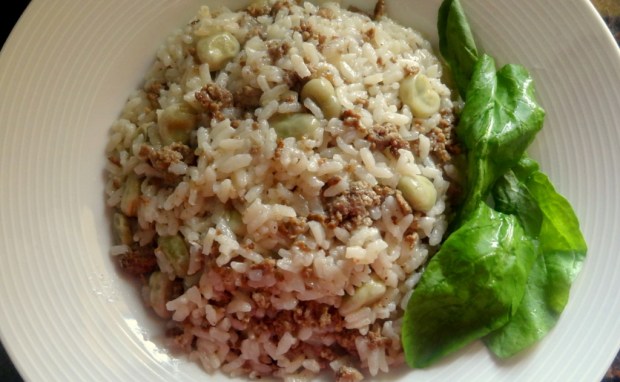
Rice and Beans (Riz bil Foul)

When my children were young, we used to spend the summer holidays in our home in the mountain. One night, my sons felt they like to eat some beans from one of the street vendors. I took my little boys in the car and I asked them to keep an eye out for beans vendors. My eldest son saw one and I stopped the car with the vendor at the passenger’s side. I told my son to ask the man for some beans and, in his excitement, he mixed up the words while asking. Instead of saying, “3ammo 3andak foul?” (sir do you have beans?) he said “3ammak Foul” (your uncle is a bean!)

Since then, this has become a joke between us. My son is now a young man working in New York City, and while talking to him yesterday he told me “3ammak Foul”. I know that this is his way to tell me that he misses me. That’s why I decided to cook the rice with broad beans today.

Ingredients:

  • 100 gs minced meat
  • 1 chopped onion
  • 1 cup of frozen broad beans (the green ones)
  • 1 cup of rice
  • 1 tablespoon cooking oil
  • salt, seven spices

Preparation:

  • Heat the oil in a pot and fry the onion
  • When the onion start to get golden color, add the meat and fry it with the onion
  • Season with a dash of salt and a 1/2 teaspoon seven spices
  • Add the beans and mix it with meat and onion, then lower the heat and cover the pot for few minutes until the beans becomes tender
  • In the same pot, put the rice with 2 cups of water, adjust the seasoning as desired, and let the rice cook on a low heat until it absorbs all the water
  • Serve it with yogurt and green salad

ET VOILA..C’EST TOUT:)

Tabboule

Tabboule is our Lebanese pride, along with hummus. Lebanon is the record holder in the Guinness Book of World Records when 250 of our Lebanese Chef’s made the biggest plate of Tabboule in the whole world. We Lebanese can and will eat tabboule any place, any time: for breakfast, lunch, as a snack or even at dinner. It is THAT Delicious. The best thing about it is that tabboule is made just from vegetables and bulgur, so anybody can enjoy it and it goes well with most anything!

Ingredients:

  • 2 cups of finely  chopped fresh parsley
  •  few leaves of fresh mint chopped with the parsley, or else they will turn black
  • 1 small onion filnely diced
  • 3 red tomatoes, finely chopped
  • 1 tablespoon of bulgur, fine and dark brown color
  • juice of 2 lemons
  • salt, seven spices, olive oil

Preparation:

  • Wash the chopped parsley with mint and put in a strainer
  • Add the chopped tomatoes to the parsley
  • Mix the chopped onion with a dash of salt and a little seven spices and add it to the mixture of parsley, tomatoes and onion
  • Wash the bulgur and drain it, then add one tablespoon of lemon juice to it
  • Now the Tabboule is ready, season it to your taste with salt, allspice, lemon juice and olive oil
  • Mix it well and put it on a serving plate garnish with lettuce or cabbage

ET VOILA..C’EST TOUT:)

Fun with Zucchini, Part Two: Heart of the Zucchini (Lib el Koussa)

Today I’m gonna teach you what do you with the zucchini insides that you put aside in yesterday’s post.

During the World War II, people in the Lebanese countryside did their best to use everything they had when cooking and leave nothing to waste because they were running out of ingredients to make food. This is the reason why there is a large variety of vegetarian plates in Lebanese cuisine. When people used to make stuffed zucchini, they kept the removed core and found a way to cook it and make it delicious.

There are various recipes for the zucchini innards, the one I made today among them. This is a favorite of mine and I’m sure it will be one of yours when you try it 🙂

Ingredients:

  • The inner part of the zucchini (about one cup and a half)
  • 1 medium onion
  • 3 cloves of garlic
  • 1 tablespoon olive oil
  • 1 tablespoon grenadine molasses
  • 1 teaspoon of dried mint

Preparation:

  • Chop the onion and the cloves of garlic finely
  • In a small saucepan, heat the oil and fry the onion with garlic until slightly golden
  • Add the zucchini and fry with the onion and garlic for 2 minutes
  • Cover the casserole and on a very low heat cook for about 5 minutes
  • Add now the grenadine molasses and stir well for few seconds
  • Put the fire off and sprinkle the dried mint
  • Put it on a plate, serve with bread (Lebanese pita is recommended) and enjoy

ET VOILA..C’EST TOUT:)

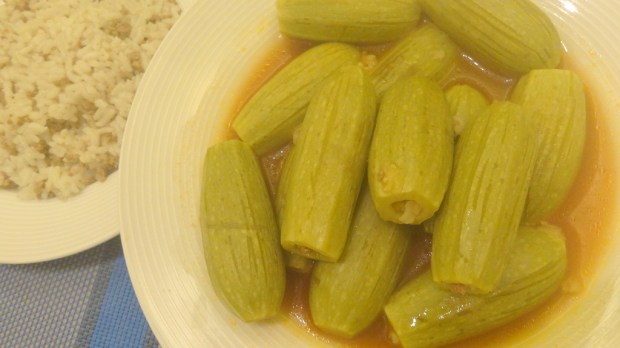
Fun with Zucchini, Part One: Koussa Mehchi (Stuffed Zucchini)

It’s funny… Every time I cook this meal, a different childhood memory comes to my mind. My mother’s cousin had 14 children, can you imagine? When she wanted to make the stuffed zucchini for her family, she would buy about 12 kilos of it and she asked my mother to come and help her. I sat with them a couple of times while they would drink coffee and core the zucchini. It took them a good while of time to prepare them, to cook them later in that huge pot that could fit a whole lamb!

This dish is a staple in the Arab countries, and each country has its own variation on it. Mostly however, the changes are superficial and the taste remains mostly the same. Today, I will be showing you the Lebanese recipe of course. You’re going to enjoy getting your hands dirty 🙂

Ingredients:

  • 1 kilo of small Zucchini
  • 100 gs minced meat
  • 1 cup of rice (preferably Egyptian orItalian rice)
  • 2 tablespoon tomato puree
  • 1 tablespoon cooking oil
  • salt and seven spices

Preparation:

  • Fry the meat in oil for about 4 minutes, until it becomes light brown
  • Wash the zucchini and cut the head. Then with a vegetable corer, remove the insides (but don’t throw them away! Tomorrow, I will show you how to make a delicious dish using them.)  When done, wash and drain them
  • Wash the uncooked rice and mix it with the cooked meat, add salt and seven spices
  • Fill the zucchini with the meat and rice mixture, until 3/4 full only; leave some space for the rice to expand when cooked
  • Place the stuffed zucchini in a pot, cover with water, add the tomato paste and season
  • Cook on high heat until it starts boiling then lower the heat with the pot covered and let it simmer for about 25 minutes
  • You know it is cooked when the rice is tender

If you have any remaining rice from the stuffing, don’t worry: put them in a small casserole with double volume of water and let it cook until the rice becomes dry. Then serve the Koussa Mehchi with the rice on the side.

ET VOILA.. C’EST TOUT! 🙂

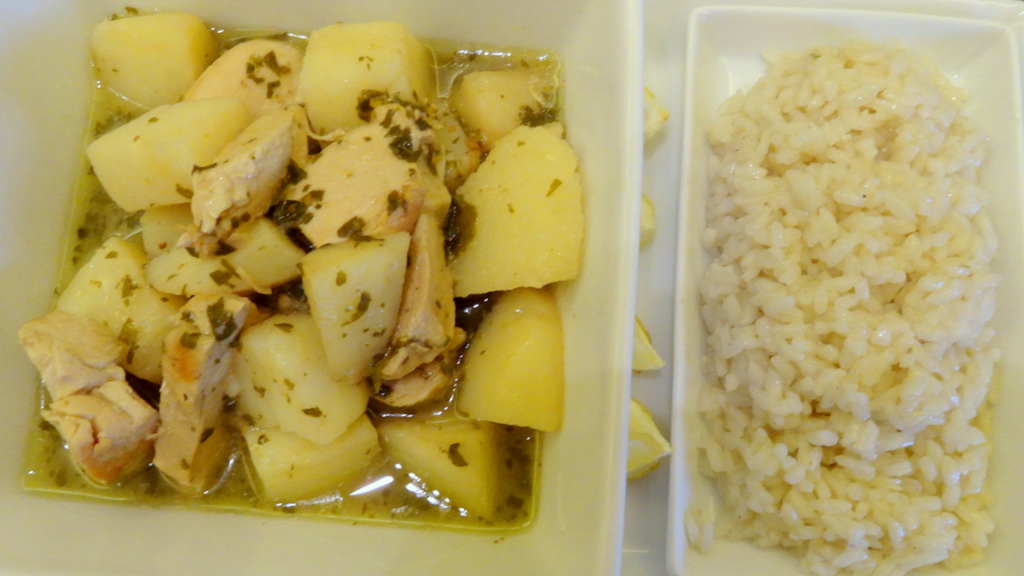
Chicken Stew with Potato

The traditional Lebanese potato stew is made with meat and tomato sauce. My mother use to cook it the that way, but at some point my father started to get a stomach pain due to the tomato sauce, according to his doctor, and had to stop eating things cooked in it. Since he used to like the potato stew a lot, my mother had to make a few changes to the recipe: she replaced the meat with chicken and the tomato sauce with garlic and coriander. It was an instant hit with me, my brothers and sister. These days, I am making it for my children and they seem to like it too. Try it! 🙂

Ingredients:

  • 500 gs potatoes
  • 500 gs chicken fillet
  • 1 tablespoon ground coriander
  • 3 clove of garlic
  • 1/2 cup fresh coriander chopped
  • salt, seven spices, 2 bay leaves, 1 cinnamon stick
  • one lemon’s worth of juice
  • 1 tablespoon of flour
  • frying oil

Preparation:

  • Boil the chicken in a pot of water, add salt, allspice, cinnamon stick and  bay leaves
  • When the chicken tender, drain from water and put the chicken aside. Keep the water for the stew
  • Cut the potatoes into cubes and fry them until golden
  • Put a little oil in a casserole and put the chicken with potatoes, cover with the water used to boil the chicken
  • Dissolve the flour with 1 cup of cold water and add it to the casserole of chicken and potatoes
  • Crush the garlic with 1/2 teaspoon salt, then mix with the fresh and dried coriander
  • In a small saucepan, fry the mixture of garlic and coriander until the garlic starts taking color
  • Add the garlic to the chicken and potato stew, lower the fire and cover the pot; let the food simmer for 15 minutes
  • Finally put the lemon juice and season with salt and allspice

This dish is best served with rice. You can enhance the flavor of the rice by adding a cup of the water used to boil chicken when cooking the rice.

ET VOILA..C’EST TOUT! 🙂

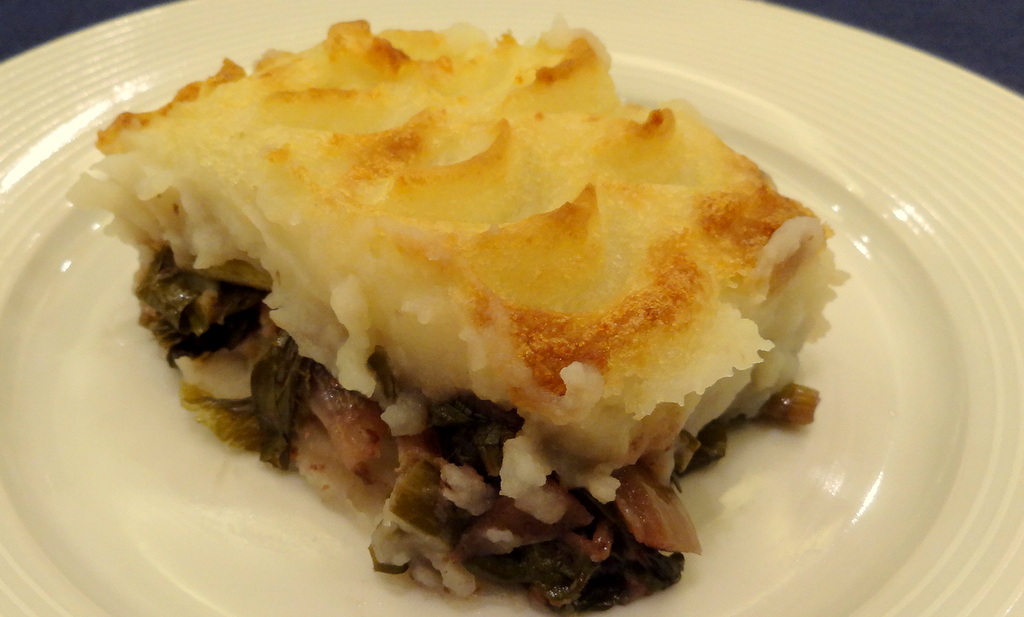
Mashed Potato Baked with Chicory

This is another recipe that is Lent-friendly, as it contains chicory and no meats or fats. I got this recipe from a friend who grew up in a distant village in mountains of South Lebanon. During the 40-day fast, her mother would like to get creative and try to make something new in her cuisine to make the fast more playful. I took the recipe from her and tried it, and it turned out to be delicious!

If you enjoy the taste of chicory, take at a look at this recipe I posted a few days ago 🙂

Ingredients:

  • 1 kg potatoes
  • 1/2 kg chicory
  • 2 onions chopped into long strips
  • 1 teaspoon sumac
  • salt, seven spices
  • 2 tablespoons olive oil, 1 tablespoon cooking oil

Preparation:

  • Boil the potatoes in salted water, when they’re cooked mash them properly
  • Boil the chicory in another pot with salted water, drain them after
  • heat the olive oil and fry the strips of onion, then add the boiled chicory and season with salt, seven spices and sumac
  • preheat the oven to 200C
  • Grease an oven tray with cooking oil and place one layer of mashed potatoes
  • Cover the potatoes with the chicory/onion mixture
  • Place the remaining mashed potatoes over the chicory to cover it all
  • Sprinkle a bit of olive oil on the top, and place the tray in the oven for about 30 minutes, until the top becomes slightly golden

Note: this dish is usually served warm, but I secretly enjoy it cold as leftovers at night. Try it and let me know if you do too 🙂

ET VOILA..C’EST TOUT.